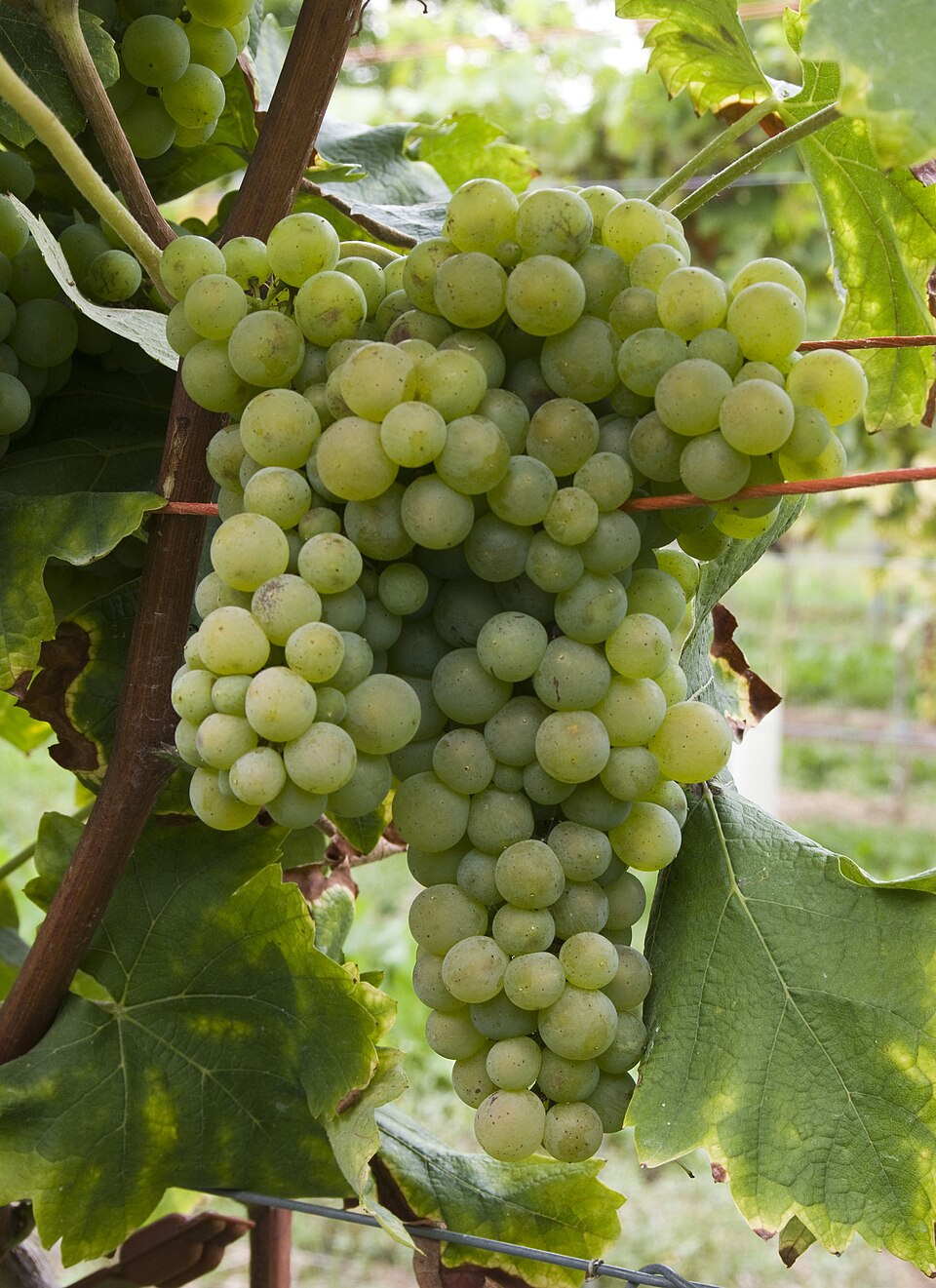
Verdicchio (ver-DEEK-kee-yoh) is a white wine grape native to central Italy, that dates back to the 14th century. Its name comes from verde, the Italian word for green, which refers to the pale green and yellow tint of the grape skins and the wine itself.
While some historians believe the vine originated in northern Italy and migrated south with farmers in the 1400s, it has been a staple of central Italian winemaking for hundreds of years. In 1968, Italian authorities established official naming rules to protect the quality and origin of the wine.
Today, Verdicchio is grown almost entirely in the Marche region, located along Italy’s eastern Adriatic coast. The two primary growing areas within Marche are Castelli di Jesi and Matelica. Castelli di Jesi sits closer to the sea and features rolling hills, while Matelica is located further inland in a mountain valley. Small amounts of the grape also grow in neighboring central Italian regions.
Verdicchio wines have aromas of citrus, white flowers, and green fruit. On the palate, the wine is dry (low residual sugar) and crisp with flavors of lemon, lime, green apple, and white peach. Its most recognizable trait is the light flavor of raw or slightly bitter almond at the end of each sip, along with a subtle salty or wet-stone taste from the coastal soil.
Unlike many white wines that are meant to be consumed immediately, Verdicchio ages very well due to its high acidity. Standard bottles stay fresh for one to three years, while higher-grade bottles can age in a cellar for ten to twenty years. Over time, the bright fruit flavors soften, and the wine develops deeper tastes of honey, dried fruit, and sweet almond paste.
Verdicchio should be served in a standard white wine glass at temperatures between 45°F and 50°F (7°C to 10°C). Younger, lighter bottles taste best at the colder end of that range, while older, richer bottles open up slightly more when served a bit warmer.