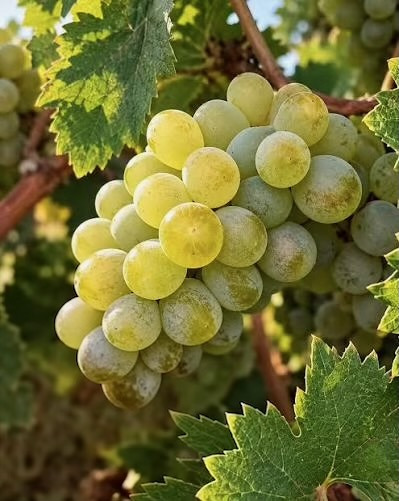
Verdejo 🥂
Verdejo (vair-DAY-ho) is a white wine grape with a history that goes back over one thousand years. It is believed to have arrived in Spain around the eleventh century, from North Africa. For centuries, the grape was used to make a heavier, oxidized style of wine called Vino Dorado. It was not until the 1970s that winemakers updated their techniques to protect the grapes from oxygen to produce the wine style known today.
The primary home for this grape is the Rueda region in central Spain, where the majority of Verdejo vines are grown. The region has high-altitude plains, hot days, cold nights, and stony soils, which help the grape retain its natural acidity.
If a wine label from the Rueda region says “Rueda Verdejo,” it is required to contain at least 85% of this grape, though many are made with 100%.
While Spain is the dominant producer, small amounts of the grape are also grown in Australia and parts of the United States, such as California.
The wines made from this grape are known for distinct aromas and flavors. Aromas include green apple, pear, lemon, and white peach, with herbal notes like fennel, grass, or laurel. On the palate, the wine tastes crisp and dry, often finishing with a characteristic hint of bitter almond.
Most bottles are made to be consumed young and fresh, usually within one to three years of the harvest. During this time, the wine displays its brightest fruit and herbal qualities. However, some versions are aged in oak barrels or kept on the yeast sediment for several months. These specific styles can age well for five to ten years, developing a richer texture and nutty flavors.
Verdejo should be served at a temperature between 45 and 50 degrees F. The ideal glassware is a standard white wine glass with a narrow bowl and a slight taper at the top.